Kids learn through change
Every race, route, and rebuild gives children a visible cause-and-effect loop they can repeat.
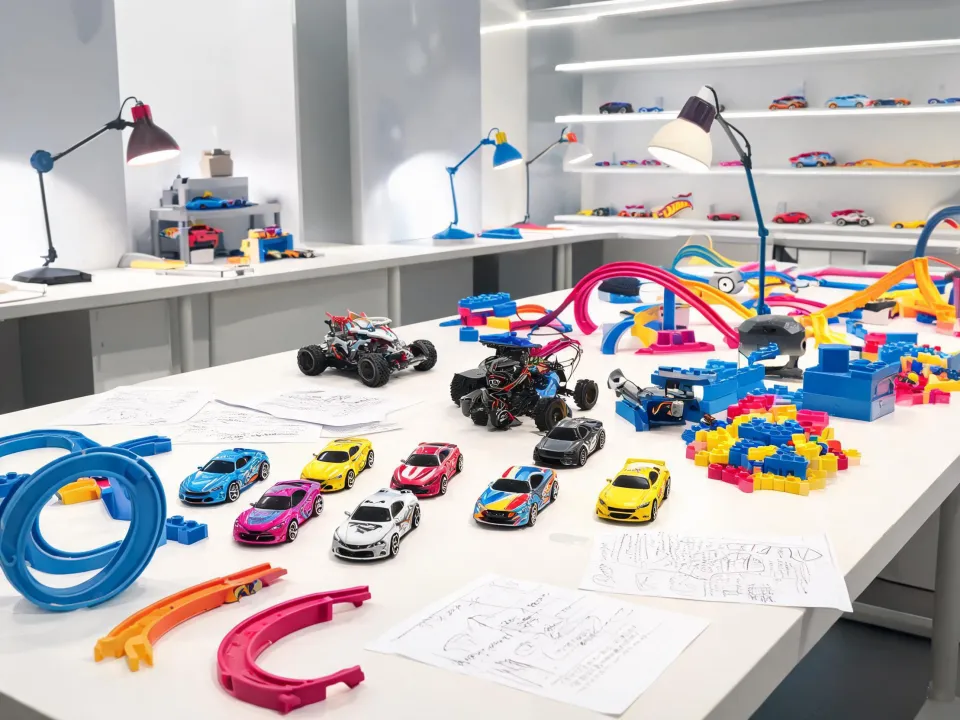
Hot Wheels is shaped around a simple observation: children learn more from motion when they can change the conditions themselves. A car that rolls down a ramp is exciting, but a child who adjusts the ramp, swaps a block, tests a turn, and explains the result is doing something richer. That spirit guides how we describe products, build category stories, and support buyers planning modern toy assortments.
Our brand story is not about making play louder. It is about making play more active. Hot Wheels lines are written for families who want toys to feel thrilling without losing the practical cues parents rely on: age grading, visible skill growth, material clarity, and enough durability for another race tomorrow. In our work, a racing set can become a confidence ritual, a remote-control challenge can become a lesson in steering and prediction, and a collectible vehicle can become the start of an imaginative world rather than a static item on a shelf.
When a child says, "Let me try it a different way," the toy is doing its job.
The Hot Wheels approach combines retail energy with developmental common sense. We value bright products, fast demos, and bold storytelling, but we also pay attention to grip size, setup clarity, playroom space, sibling participation, and how a parent understands the benefit in five seconds. That balance matters because toys live in real homes, not just in campaign photos. The best ones invite children back with a new question each time.
Every race, route, and rebuild gives children a visible cause-and-effect loop they can repeat.
Age fit, safety notes, and play benefits are written plainly so buyers can choose with confidence.
Vehicles, garages, characters, and tracks become worlds children can name, expand, and revisit.
We support toy buyers, content teams, and family-facing retailers with language that keeps excitement and usefulness together. A store display might focus on stunt energy, while an email campaign explains age stages and a classroom set emphasizes testing and teamwork. The message changes by context, but the heart stays the same: children should feel the spark of speed and the satisfaction of solving something.
That is why our content avoids empty hype. We would rather explain the child's next action: steer through a narrow gate, rebuild a bridge, compare two wheel paths, sort vehicles by story, or design a garage that fits the whole collection. Clear actions help adults see value and help children move from watching to doing.
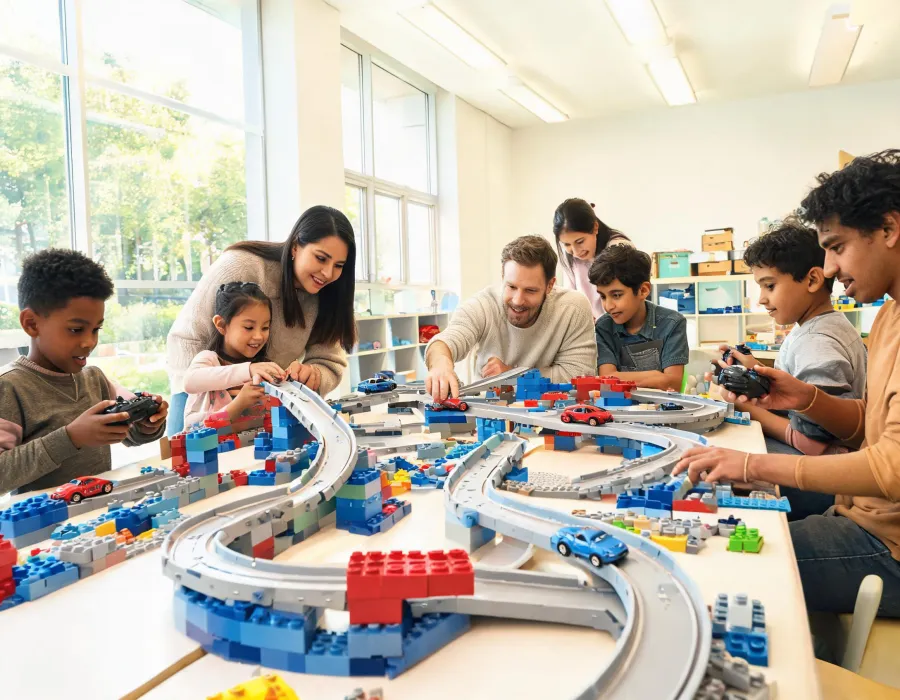
Tell us the audience, channel, and product mix. We will help shape a story that respects both the child's imagination and the buyer's need for clarity.